November 16, 2026
Gutter Cleaning Hackettstown: A Smart Way to Avoid Costly Repairs
By @dallasjxwl740
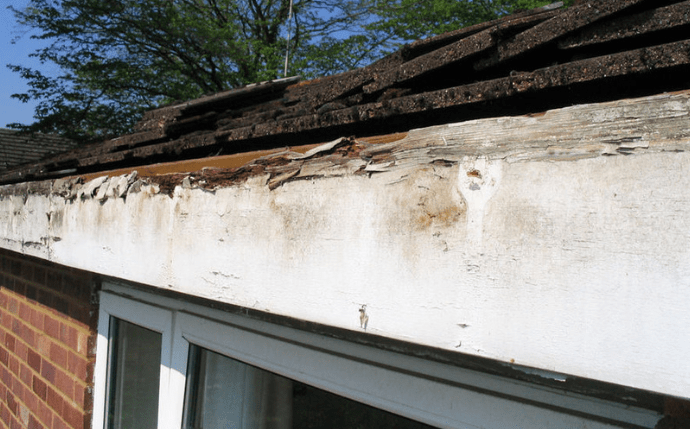


A house in Hackettstown does not need a dramatic roof leak or a flooded basement to suffer water damage. More often, the trouble starts quietly, in a gutter run packed with wet leaves, seed pods, and the gritty sludge that forms after a few storms. Homeowners usually notice the problem only when water begins spilling over the front entry, staining the siding, pooling around the foundation, or freezing into thick ridges along the eaves.
That is why Gutter Cleaning Hackettstown is not a cosmetic chore. It is one of the simplest ways to protect a home from avoidable repair bills. Gutters have one job, to move water off the roof and away from the structure. When they cannot do that, water finds another route, and those routes are rarely cheap.
In northwest New Jersey, the weather does not give homeowners much room for neglect. Spring brings heavy rain and pollen. Summer storms can dump a lot of water in a short time. Fall fills gutters with leaves, especially in neighborhoods with mature trees. Winter then locks any remaining debris in place with ice. The cycle repeats every year, and every year a neglected gutter system has another chance to fail.
Why clogged gutters create bigger problems than most people expect
Many people think a clogged gutter means a little overflow and some extra cleanup. In practice, the damage often spreads well beyond the gutter line. Water is persistent. If it cannot travel through the downspout, it backs up and spills over the edge. From there, it can soak fascia boards, run behind the gutter, enter soffits, stain brick and siding, and collect at the base of the home.
That standing water around the foundation is where a modest maintenance issue can become an expensive structural one. Saturated soil expands. Water can seep through hairline foundation cracks. Basement walls may develop damp spots. Crawl spaces can become humid, which encourages mold growth and wood rot. A homeowner may spend thousands investigating musty odors or interior moisture, never realizing the problem began at the roofline.
Roof edges are also vulnerable. When gutters stay full, the extra weight strains fasteners and brackets. During a freeze, trapped water turns to ice and adds even more load. Over time, gutters begin to pull away from the house. Once that happens, the pitch changes, drainage slows further, and the whole system deteriorates faster. I have seen homes where what started as a seasonal cleaning issue ended with new fascia boards, gutter replacement, soffit repair, and exterior painting.
The frustrating part is that most of those repairs were preventable.
Hackettstown homes face a specific set of gutter challenges
Not every town puts the same pressure on a gutter system. Hackettstown has several local factors that make routine cleaning especially important.
Older neighborhoods often have large deciduous trees close to the house. Oaks, maples, and sycamores drop more than leaves. They also shed twigs, helicopter seeds, catkins, and fine debris that compacts into a dense mat inside the trough. Pine needles create their own problem. They tangle, absorb water, and clog elbows and downspout openings in a way that is tedious to clear if left too long.
Roof design matters too. Many homes in the area have multiple valleys, dormers, and varying roof lines. These architectural features concentrate water and debris into specific sections of the gutter. One short run might collect three times more material than the rest of the house. If a homeowner checks only the visible front gutter and ignores the hidden rear corner where two slopes meet, the worst clog can go undetected until damage shows up indoors.
Then there is winter. A clogged gutter in December is far more dangerous than one in June. When water cannot drain before temperatures drop, it freezes in place. That can contribute to ice dams, especially if attic insulation or ventilation is already less than ideal. Water from melting snow may then back up under shingles, leading to ceiling stains and hidden rot. Cleaning gutters before freeze-thaw cycles begin is not just tidy maintenance. It is risk reduction.
The warning signs most homeowners miss
By the time a gutter is overflowing like a waterfall, the issue is obvious. The more useful skill is learning to spot trouble sooner.
Here are the signs that usually show up first:
- Dark streaks or dirt marks on siding beneath the gutter line
- Plants or weeds growing from the gutters
- Water spilling over one section during rain while other sections drain normally
- Gutters that appear bowed, sagging, or slightly detached from the fascia
- Puddling near the foundation after rain, especially below downspouts
Each of these signs points to either a blockage, a pitch problem, or a downspout restriction. None should be ignored. One small overflow area can dump hundreds of gallons in the wrong place over the course of a season.
A subtle clue many people overlook is peeling paint near roof edges. Constant moisture behind the gutter can break down paint and soften the wood underneath. Another is the presence of mosquitoes near the house after rain. Standing water in clogged gutters can become a breeding spot, particularly during warmer months.
What professional gutter cleaning usually involves
Some homeowners hear "gutter cleaning" and picture someone scooping leaves for fifteen minutes. A proper service goes beyond that.
The first step is removing loose debris from the gutter channels by hand, with a scoop, or with specialized tools. Compacted material often needs more effort, especially where runoff has turned decomposing leaves into a mud-like layer. Once the channels are cleared, the downspouts need to be checked and flushed. A gutter that looks clean from above can still fail if the downspout is packed with shingle grit, seed clusters, or a lodged twig mass at the elbow.
After that, the system should be tested with water. This is where slope issues show up. If water sits in sections instead of flowing toward the outlet, the gutter may need adjustment. Fasteners should also be checked. Loose spikes, backed-out screws, separated seams, and worn sealant are common findings during a routine cleaning.
On some homes, cleaning reveals larger issues. Splash blocks may be missing. Downspout extensions may be too short, dropping water right beside the foundation. Underground drain lines may be clogged or disconnected. These are not always part of a standard cleaning, but they matter because the goal is not simply empty gutters. The goal is controlled drainage.
A skilled technician also notices roof-related concerns while working. Granule loss from shingles, damaged drip edge, animal nesting, and early signs of wood rot often become visible from a ladder before the homeowner sees any symptom from the ground.
Why timing matters more than people think
The right cleaning schedule depends on the property, not a generic calendar. A house with no overhanging trees may get by with less frequent service than a home surrounded by mature maples and pines. Still, most Hackettstown homeowners benefit from treating gutter care as a seasonal task rather than a once-a-year afterthought.
A practical schedule often looks like this:
- Early spring, to clear winter residue and prepare for heavy rain
- Late spring or early summer, if pollen, seed drop, or nearby trees load the system quickly
- Late fall, after the bulk of leaves have come down
- Early winter inspection, especially if the property has a history of ice buildup or drainage trouble
That does not mean every home needs four full cleanings. It means a homeowner should think seasonally and adjust based on what the property actually experiences. A ranch home with modest tree cover may need spring and fall service only. A larger house under dense tree canopy may need additional attention. The condition of the gutters, not a rigid rule, should drive the plan.
One useful habit is to observe the gutters during a hard rain. You can learn more in ten minutes of real weather than from months of dry-weather assumptions. Watch for overflow points, slow downspouts, splashback near the foundation, and any area where water seems to run behind the gutter. Those details help determine whether the issue is debris, poor pitch, or an undersized drainage setup.
The real cost of putting it off
When people delay gutter cleaning, it is usually because the service feels optional. The problem is that water damage rarely stays small.
A typical gutter cleaning bill is modest compared with even one moderate repair. Reattaching loose gutters and replacing a few rotted fascia boards costs much more than a cleaning. Basement waterproofing is in another league altogether. If interior drywall, insulation, or flooring is affected, the expense climbs again. Even exterior cosmetic repairs, repainting trim, washing stains from siding, replacing sections of landscaping washed out by overflow, add up quickly.
There is also the hidden cost of shortened material life. Gutters filled with wet debris corrode faster. Wooden trim stays damp longer. Roof edges deteriorate earlier. Concrete walks and patios can settle unevenly if runoff repeatedly saturates one side. None of this usually happens after one storm. It happens from repeated exposure, the sort of slow damage that owners accept for too long because there is no single dramatic event to blame.
One homeowner I spoke with after a wet spring had assumed their front flower bed was just getting "too much rain." In reality, one clogged valley-fed gutter section had been dumping water directly beside the porch for weeks. The result was eroded mulch, a stained concrete step, and water entering the basement corner below. The repair work was not catastrophic, but it was far more expensive than routine cleaning would have been.
DIY can work, but it comes with real limits
There is nothing inherently wrong with cleaning your own gutters if the house is accessible, the roofline is simple, and you are comfortable working safely on a ladder. Some homeowners do a careful job. Others mean well and miss the places where the real clogs form.
The challenge is not just debris removal. It is safe access and accurate assessment. Many gutter problems occur at second-story sections, above sloped ground, over decks, or near power lines. Add wet leaves, slick ladder feet, and awkward reaching, and the risk goes up fast. Every year, people get hurt doing what sounds like a straightforward maintenance task.
Even when the cleaning itself goes fine, DIY work often stops before the important diagnostic step. A gutter may be emptied but not flushed. A downspout may seem open but still contain a partial blockage. A section may hold water because it is pitched incorrectly, yet that goes unnoticed until the next heavy rain. That is where experience matters. Someone who works on gutters regularly knows the difference between a simple seasonal clog and an early sign of structural drainage failure.
For single-story homes with easy access, a careful homeowner may handle light maintenance. For taller homes, steep roof lines, persistent drainage problems, or any system that has already shown signs of overflow, professional service is usually the smarter choice.
Gutter guards help, but they are not a free pass
A lot of homeowners ask whether guards solve the problem completely. They help, but only in the right context and only with realistic expectations.
Good guards can reduce the amount of large debris entering the gutter. They are especially useful under heavy leaf cover. They can also make routine cleaning faster because much of the buildup stays on top rather than compacting inside the trough. That said, guards do not eliminate maintenance. Small debris still gets through on some systems. Fine shingle grit still accumulates. Pine needles can bridge across openings. Surface-tension styles can perform well in some conditions and poorly in others, particularly where roof runoff is aggressive or debris types are mixed.
Installation quality matters as much as product design. A poorly fitted guard can create new issues, including overshoot in heavy rain or hidden debris accumulation that is harder to detect. Homeowners should think of guards as a way to reduce cleaning frequency and improve performance, not as a one-time cure that can be forgotten for ten years.
Choosing a gutter cleaning service in Hackettstown
Not all companies approach the https://messiahadfq920.scriblorax.com/posts/best-time-of-year-for-gutter-cleaning-in-hackettstown work with the same level of care. Some simply remove visible debris and move on. Others treat it as part of whole-home water management. The difference matters.
A reliable provider should explain what is included, whether downspouts are flushed, whether minor adjustments are checked, and whether they report visible damage. Clear communication is a good sign. So is a realistic assessment of how often your specific home needs service. Be cautious with anyone who gives a one-size-fits-all answer without asking about tree cover, roof design, gutter height, or drainage history.
Insurance and safety practices matter too. Gutter work often happens at height, and a professional operation should treat that seriously. It is also worth asking how they handle difficult clogs, underground drainage tie-ins, or minor repairs discovered during service. A company that can identify the cause of recurring overflow is more valuable than one that only removes leaves.
For homeowners searching specifically for Gutter Cleaning Hackettstown, the best results usually come from hiring a local company familiar with the region's weather patterns, tree types, and housing stock. A contractor who regularly works in the area is more likely to recognize recurring local issues, from leaf-heavy fall cleanouts to winter ice trouble at older roof edges.
Small upgrades that make a big difference
Sometimes the smartest move is not more frequent cleaning but a few targeted improvements to help the existing system perform better.
A downspout extension can dramatically reduce foundation moisture if water currently exits too close to the house. Re-securing loose gutter sections restores proper pitch and prevents standing water. Increasing the size of a downspout at a trouble spot can help where roof valleys concentrate runoff. In some cases, adding another downspout is more effective than repeatedly clearing the same overloaded section every season.
Underground drains deserve attention as well. If your gutters discharge below grade, the visible troughs may be clean while the buried line is restricted. The symptom looks the same from above, overflowing gutters during rain, but the fix is different. That is one reason diagnosis matters. Cleaning the wrong component solves nothing.
Even landscaping plays a role. Soil should slope away from the foundation, not toward it. Mulch piled too high against the house traps moisture where overflow already tends to collect. Splash blocks or extensions should direct water far enough away to prevent it from cycling right back toward the basement wall.
A maintenance habit that protects the whole house
The value of clean gutters is not limited to the gutter system itself. Good drainage protects roofing, siding, trim, insulation, foundations, basements, walkways, and landscaping. It also reduces the chance that a small moisture issue becomes a messy interior repair six months later.
That is why Gutter Cleaning Hackettstown should be viewed as preventive maintenance, not optional seasonal labor. It is one of the rare home services where the purpose is simple, the warning signs are visible, and the payoff is easy to understand. Keep water moving where it belongs, and a long list of other problems is less likely to start.
For homeowners in Hackettstown, the practical question is not whether gutters will collect debris. They will. The better question is whether you want to deal with that debris on schedule, or pay for the damage after water finds its own path. Routine cleaning is rarely the exciting choice, but it is often the financially smart one.
Just Gutters LLC
Address: 262 Main St, Hackettstown, NJ 07840
Phone number: +12013319454
FAQ About Gutter Cleaning Hackettstown
How much should a gutter clean cost?
Professional gutter cleaning typically costs between $163 and $333, with a national average of around $210 to $250 for a standard-sized home.
What months should you clean gutters?
You should clean your gutters twice a year—once in late autumn (November to December) and once in late spring (April to May).
Is it worth paying for gutter cleaning?
Yes, paying for gutter cleaning is worth it because it prevents thousands of dollars in water damage, roof leaks, and structural repairs.
❧